









Why Repetition Matters in Spiritual Practice

Spiritual practice is often associated with belief or emotion, but what truly sustains it is repetition. Simple actions repeated daily create rhythm, and rhythm creates stability. Lighting a lamp, offering incense or sitting quietly with a jaap mala may seem small, yet these acts shape the mind over time. Spiritual growth does not usually arrive through intensity. It arrives through consistency.
Repetition Builds Inner Discipline
Repetition is not mindless habit. It is deliberate return. When an action is performed every day with awareness, it slowly trains the mind to settle. The body recognises the rhythm, and resistance reduces. Over time, the act itself becomes grounding.
In the Ramayana, the life of Shri Ram reflects this principle. Dharma is not something he follows only in moments of trial. It is visible in his daily conduct, his restraint and his consistency. This steady alignment, rather than dramatic gestures, forms the foundation of character.
Repetition teaches patience. It removes urgency and replaces it with trust in process.
Daily Rituals as Anchors
Daily rituals provide familiarity, especially during uncertain phases of life. Using the same puja bowl every morning or evening builds continuity. Over time, these objects become associated with stillness and intention. Their significance grows through use, not display.
Such repetition brings order to the day. It signals a pause, allowing the mind to step away from noise and return inward. Even a few minutes of regular practice can steady thought.
The Role of Aromatics
Aromatics play a subtle yet important role in repetition. Lighting incense daily creates a sensory cue. The fragrance becomes linked with calm, focus and prayer. With time, the mind responds to scent almost automatically, easing into a quieter state.
This repetition of scent builds memory. It teaches the body to recognise moments of stillness without effort.
Jaap Malas and Focus
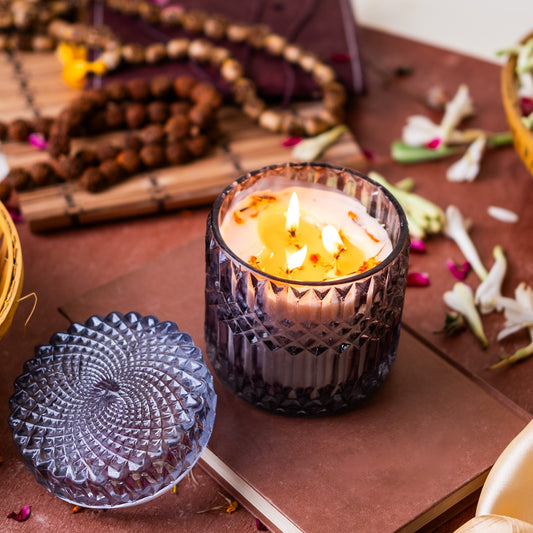
Jaap malas support repetition through counting and touch. Moving the beads daily helps maintain rhythm and focus. The practice encourages presence, keeping the mind from wandering. Over time, the mala becomes a personal anchor, associated with calm repetition rather than performance.
Consistency Over Intensity
Spiritual practice does not require long hours or elaborate rituals. What it asks for is return. Repetition creates inner order. It brings steadiness without force and clarity without pressure.
Conclusion
Repetition matters because it builds stability quietly. Through daily rituals, familiar objects, aromatics and jaap malas, spiritual practice becomes part of life rather than a separate effort. These repeated actions remind us that transformation grows through consistency. Faith, when returned to each day, settles gently and stays.
