


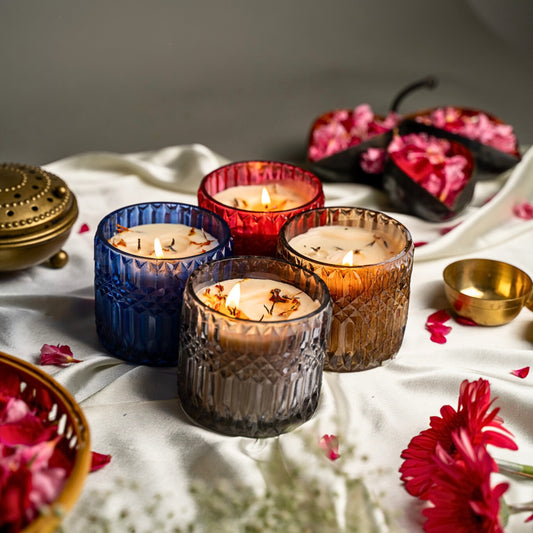
What a Prayer Corner Really Represents in a Home

A prayer corner is often seen as just a designated space for rituals. A small area with a diya, incense and a few sacred objects. Yet its meaning goes beyond placement and routine. It reflects how a home chooses to pause, reflect and stay connected to something deeper.
More Than a Physical Space
A prayer corner is not defined by its size or design. It can be a separate room or just a small shelf. What gives it meaning is intention. It is the one place in a home where the pace naturally slows down.
In the presence of sacred elements, whether it is an image of Shri Ram, a diya or a simple incense stick, the atmosphere shifts. The space begins to feel quieter, more centred.
A Place to Return To
Every home carries movement, conversations and daily responsibilities. A prayer corner offers a point of return. It is where one can step away from constant activity, even if only for a few minutes.
This space does not demand long rituals. Sometimes, just sitting quietly or lighting incense is enough. Over time, this consistency builds familiarity. The mind begins to associate the space with calm.
Anchoring Daily Life
Small rituals performed in the same space every day create rhythm. A puja bowl used regularly, a diya lit at a fixed time or incense burned during the evening becomes part of the home’s routine.
These actions may seem simple, but they bring structure. They act as gentle reminders to pause and reset, especially during busy days.
The Role of Sacred Objects
Objects placed in a prayer corner are not just decorative. They carry meaning through use. Sacred art, such as depictions of Ram or moments from the Ramayana, can bring a sense of order and reflection to the space.
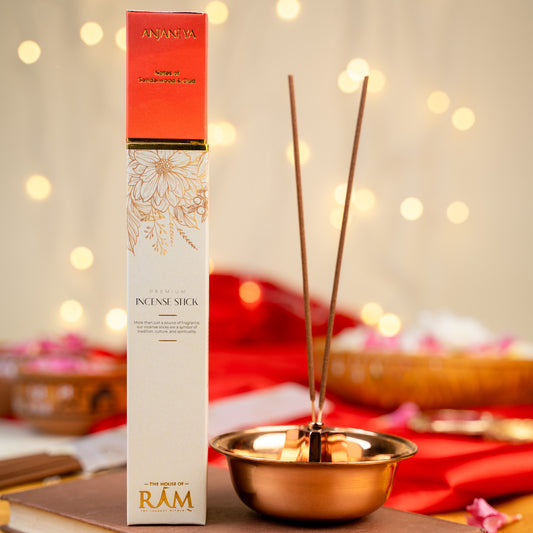
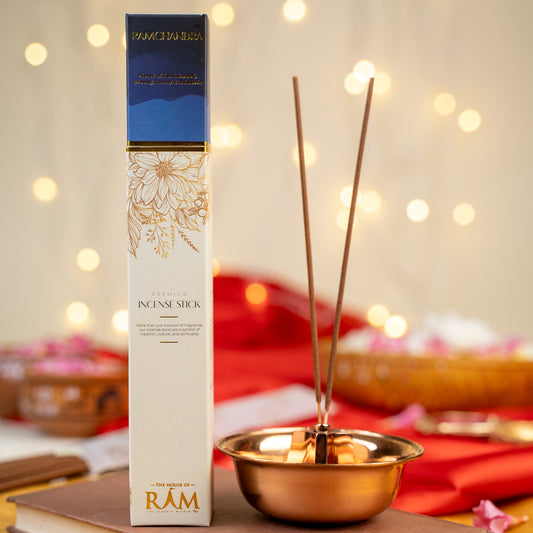
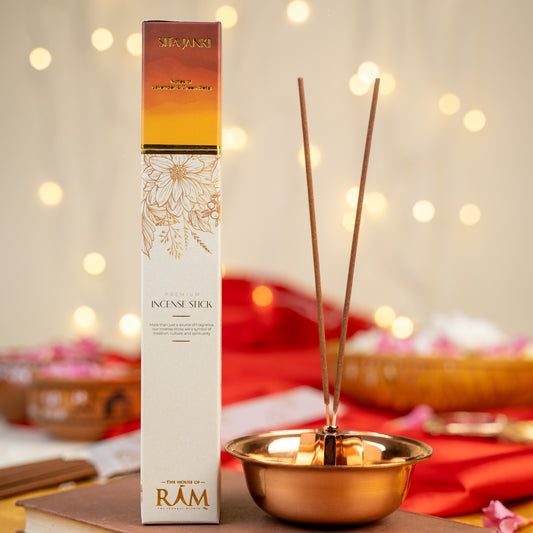
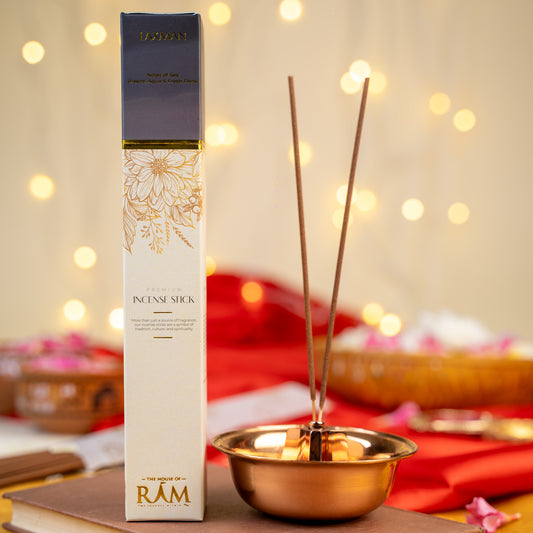
Similarly, elements like incense or brass items add to the atmosphere without overwhelming it. Their presence supports focus rather than drawing attention.
A Reflection of the Home
A prayer corner often reflects the values of the people living in the home. It shows what they choose to return to daily. It does not need to be elaborate or perfect. It only needs to feel sincere.
Conclusion
A prayer corner represents more than ritual. It represents intention. It is a space where the home slows down, even briefly, and reconnects with clarity and calm. In a world that moves quickly, such a space becomes a quiet anchor, holding together moments of stillness within everyday life.
