


Why We Use Camphor During Aarti ?

Have you ever wondered why a small piece of camphor is lit during aarti?
The flame appears for only a few moments, yet it holds a beautiful meaning in Indian spiritual traditions. Camphor is not used during aarti simply because it burns easily. Its flame represents purity, surrender and the idea of letting go of the ego.
From temples to home prayer spaces, this simple ritual continues to be an important part of worship.
Why Is Camphor Used in Aarti?
Camphor has a unique quality - it burns with a bright flame and leaves very little visible residue. Traditionally, this has been given a deeper spiritual interpretation.
As the camphor disappears into the flame, it symbolises the surrender of the individual ego before the divine.
The message is simple: just as camphor gives itself completely to the flame, devotion asks us to let go of pride, attachment and selfishness.
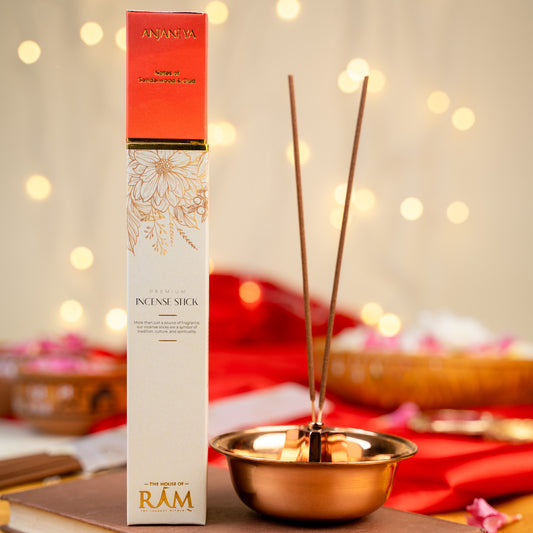
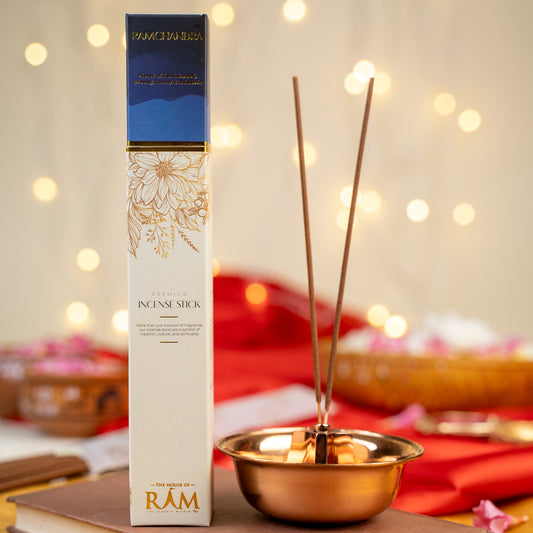
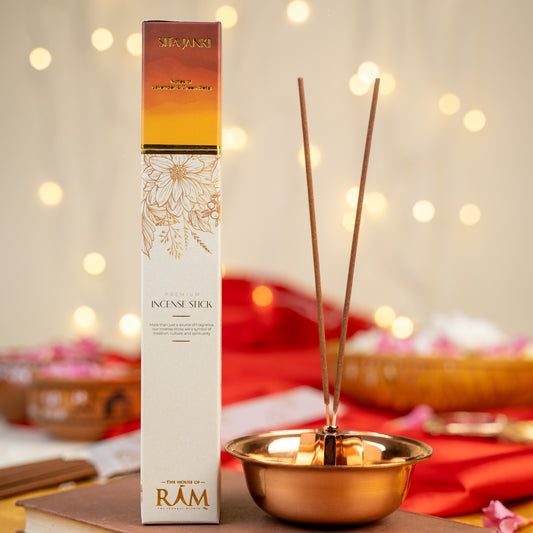
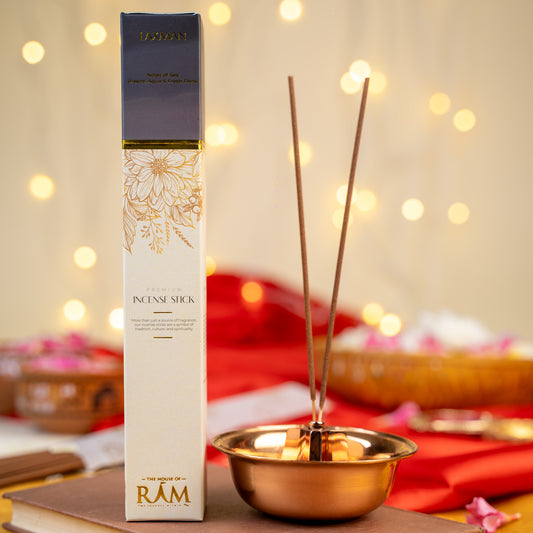
A thoughtfully arranged prayer space with a brass aarti diya, camphor holder, natural incense stick can make these rituals feel even more connected to tradition.
The Flame Represents Inner Light
Fire has always held an important place in Indian spiritual traditions.
During aarti, the flame represents light overcoming darkness. When camphor is added to the ritual, the flame becomes a visual reminder to move from confusion towards awareness.
It is not just something to look at. It encourages devotees to turn their attention inward and reflect on what they need to let go of.
Camphor and the Idea of Purity
Camphor has traditionally been associated with cleanliness and purity in Indian rituals. Its distinct fragrance also creates a recognisable sensory moment during worship.
The scent, the flame and the movement of the aarti together create a transition from the busyness of everyday life to a quieter moment of prayer.
This is one reason simple rituals can feel so powerful. They engage the senses while giving the mind something meaningful to focus on.
The Deeper Lesson: Letting Go
Perhaps the most beautiful symbolism of camphor lies in what happens when it burns.
It doesn't remain in the same form.
This becomes a metaphor for spiritual surrender. We may carry ego, anger, fear or attachment through everyday life, but prayer gives us an opportunity to pause and release some of that weight.
Camphor reminds us that devotion isn't only about asking for something. It can also be about surrendering what no longer serves us.
Conclusion
Camphor is used during aarti not merely as a ritual ingredient, but as a powerful symbol of surrender and purity.
Its brief flame reminds us that devotion is not always about holding on. Sometimes, it is about letting go.
And perhaps that is the most beautiful lesson of the camphor flame: when the ego disappears, what remains is light.
