







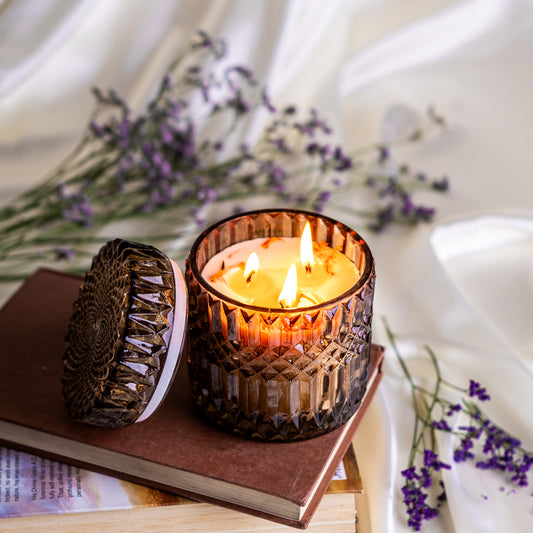


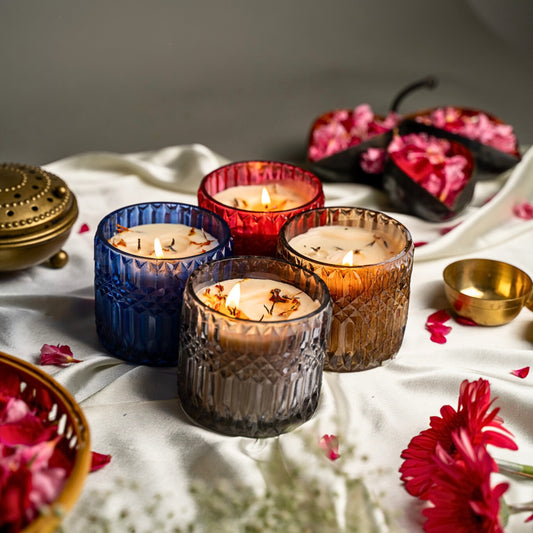
The Significance of Fire in Every Beginning

Fire has always stood at the heart of new beginnings. Across Indian tradition, no important moment begins without a flame being lit. From births and weddings to prayers and personal vows, fire quietly witnesses transitions. It does not speak, yet it holds presence. In its warmth and light, people have found reassurance, clarity and a sense of sacred order.
Fire as the First Witness
In spiritual traditions, fire is seen as a conscious element. It observes, transforms and carries intention forward. This is why the act of lighting a diya or sacred flame often marks the start of prayer or ritual. The moment the wick catches fire, the space shifts. Distractions soften and attention gathers.
Fire is believed to connect the physical and the unseen. Offerings placed into the flame are not destroyed, but transformed. This idea gives comfort to those who seek guidance at the start of something unknown. Whether it is a new home, a new phase of life or a quiet personal resolve, fire becomes the first witness to intention.
Fire and Purification
One of the most important meanings of fire is purification. Fire consumes what is unnecessary and leaves behind what is essential. In spiritual practice, this symbolism is powerful. Before beginning anything meaningful, one is encouraged to let go of cluttered thoughts, doubts and fear.
Lighting incense or a diya before work, prayer or meditation allows the mind to settle. The flame becomes a focal point, gently guiding awareness inward. This act of stillness prepares one to begin with clarity rather than haste.
Fire in Sacred Stories
Fire holds a respected place in ancient narratives. In many traditions, it is seen as a divine presence. Agni is often described as the messenger between humans and the divine. Through fire, prayers are believed to reach higher realms.
In the Ramayana, fire appears at moments of truth, transition and resolve. It represents integrity and unwavering faith. These stories remind us that beginnings grounded in honesty and intention are protected by higher order.
Fire in Everyday Rituals
In daily life, fire continues to shape sacred routines. Morning lamps, evening aarti and incense rituals bring rhythm to homes. These simple acts are not about grandeur. They are about mindfulness. A flame lit with sincerity brings balance to a space.
Sacred tools like diyas, incense holders and ritual bowls support this practice. They allow the flame to burn steadily and safely, encouraging consistency in spiritual routine. Over time, these moments build discipline and inner calm.
Fire as Inner Awakening
Beyond ritual, fire symbolises inner awakening. It represents courage, willpower and transformation. Every beginning requires a spark, whether external or internal. Fire reminds us that growth often begins with a single, intentional act.
Conclusion
Fire teaches us that every beginning deserves presence. It purifies intention, steadies the mind and invites awareness. When a flame is lit with purpose, it marks not just the start of a ritual, but the beginning of conscious living. In its quiet glow, fire continues to guide transitions with warmth and truth.
